

Samsung’s next foldable weapon is miniaturization
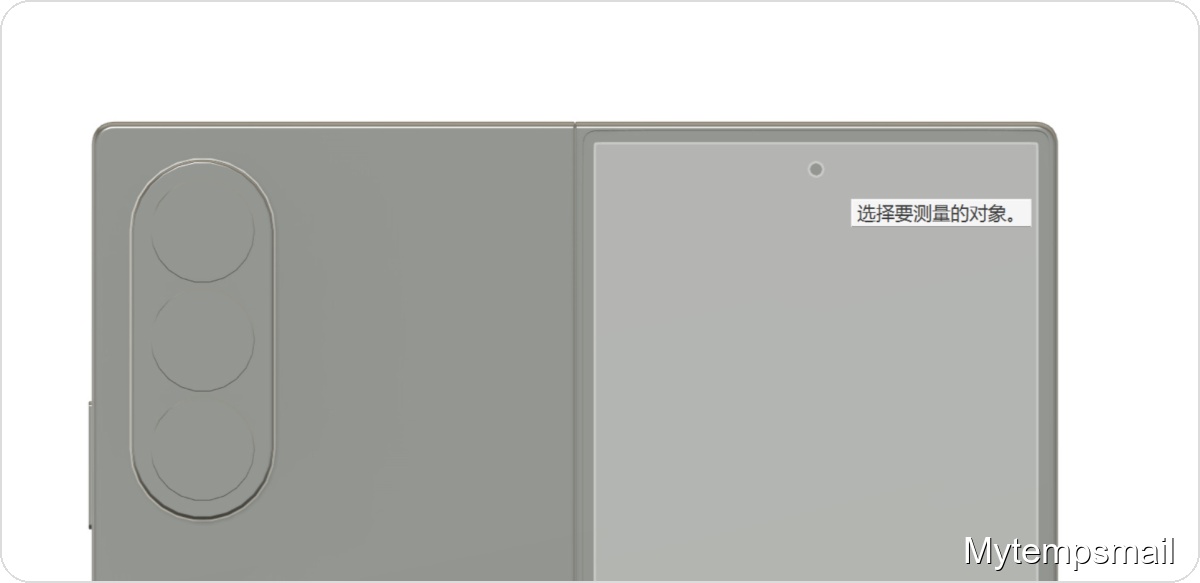
Samsung looks to be preparing a fierce counterattack in the foldable category, and its secret for 2026 is less about a new shape than about extreme miniaturization. The company has faced pressure to make its flagship foldables look sleeker and lighter, visually. The upcoming Galaxy Z Wide Fold, positioned as a rival to Apple’s rumored foldable iPhone Ultra, will share a standout technical innovation with the Galaxy Z Fold 8: a drastically reduced front-facing camera. That design change, which requires complex hardware engineering, signals Samsung is pushing to deliver a truly clean, uninterrupted viewing experience.
Fold 8 and Wide Fold: near-identical internals
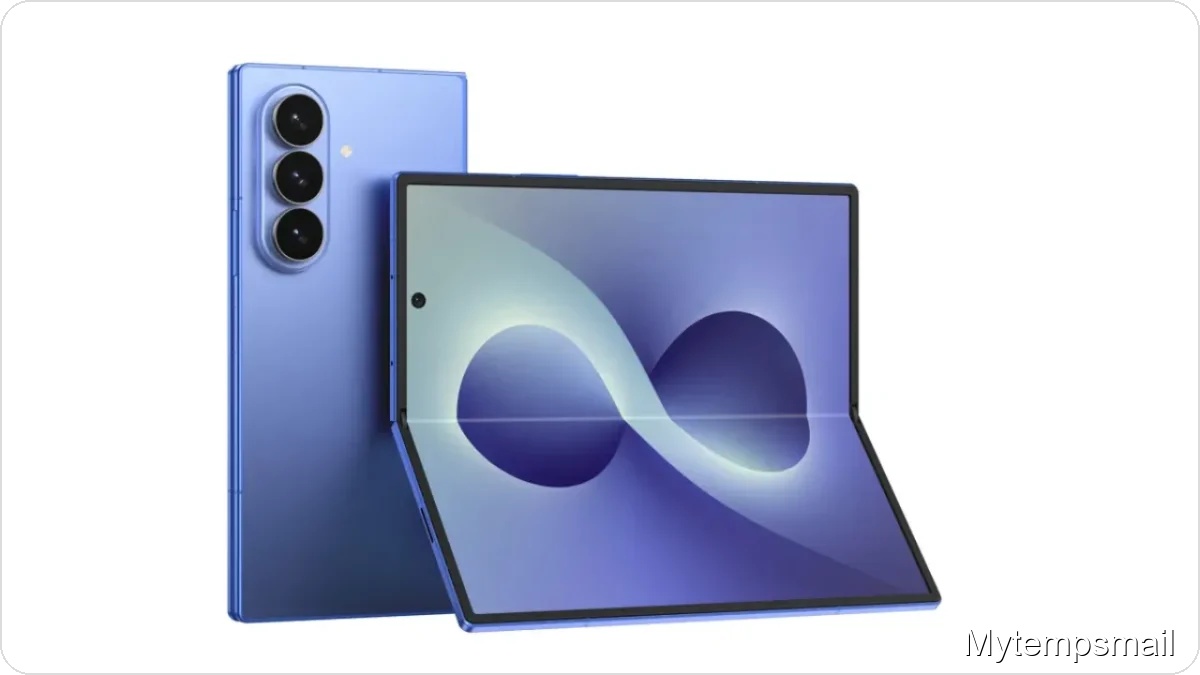
Recent rumors suggest Samsung intends near-perfect parity between its two next foldable flagships. Aside from their folding styles and screen aspect ratios, the Galaxy Z Fold 8 and Galaxy Z Wide Fold are expected to be technical twins when it comes to internal specs.
This mirroring strategy appears deliberate. The Galaxy Z Wide Fold seems aimed squarely at blocking Apple’s move into the space. With Huawei gaining ground via the Pura X Max, Samsung can’t afford an experimental model with weaker cameras. So it looks set to carry flagship-grade camera and processing technology from the Fold 8 straight into the wider-format device.
The end of the small punch-hole is coming
Physically shrinking the front camera isn’t just visual polish; it’s a stepping stone to a larger goal. Users have long asked for the end of the punch-hole, and this extreme miniaturization suggests Samsung is refining components with the explicit aim of eventually hiding them entirely beneath the pixel array.
Key outcomes Samsung is targeting include:
- Hardware miniaturization: denser sensors that take up less physical space.
- Sleeker design: narrower bezels and a more discreet cutout for greater immersion.
- Direct competition: an immediate response to Apple’s plans for future iPhones.
- Technological evolution: a continuation of innovation that began with the Galaxy Z Fold 7.
Under-display cameras exist already, but image quality has been their weak point. By drastically shrinking a conventional front camera, Samsung hopes to maintain the photographic quality users expect while reducing the visual disruption on the panel.
Racing against Apple’s 2027 plans
Apple is reportedly aiming for an iPhone with no visible cutouts for its 20th anniversary in 2027, moving Face ID and the camera under the glass. Supply-chain reports indicate Cupertino faces significant technical hurdles bringing that concept to market.
Samsung sees an opening. By shrinking front-camera hardware in 2026 devices like the Fold 8 and Wide Fold, it gains a practical lead. Even if Samsung’s devices still have a small cutout, an extremely thin frame can make the screen feel like it floats, delivering much of the visual benefit ahead of a true under-glass solution.
Samsung’s decision to invest heavily in processors and optics for these new models reflects an understanding that foldable buyers expect uncompromised technology. At premium prices, customers want the best hardware, not a stretched version of a standard phone. The Galaxy Z Wide Fold looks built for users who want maximum usable screen without sacrificing the refinement that miniaturization brings.
If this trend holds, the era of obvious notches and punch-holes on our displays may be coming to an end.
