
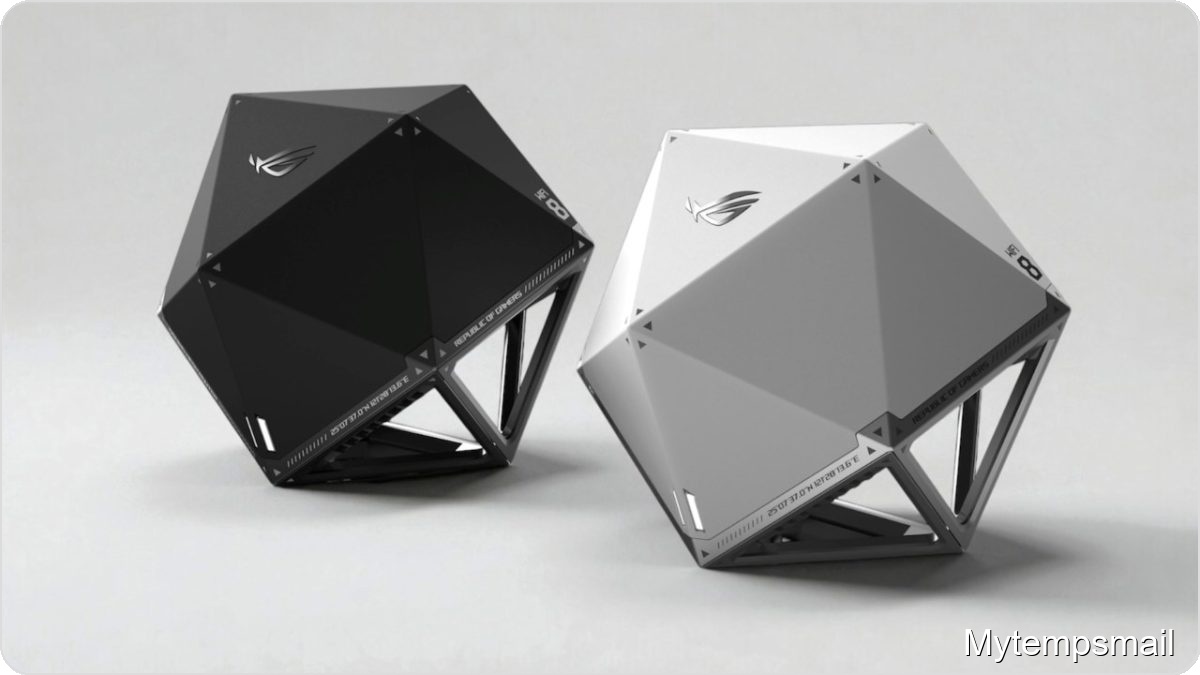

ASUS unveils WiFi 8 real-world test with ROG NeoCore
At CES 2026 ASUS introduced the ROG NeoCore, marking the first real-world performance trial of WiFi 8. The technology targets connectivity problems in dense environments by coordinating spectrum use intelligently. The new standard prioritizes stability and ultra-low latency and is designed to underpin device ecosystems driven by artificial intelligence.
Stability and intelligent spectrum efficiency
WiFi 8 emphasizes making each connection smarter and more reliable rather than chasing only peak theoretical speed. According to ASUS technical documentation, the new routers use an intelligent spectrum coordination system that reduces interference from neighboring signals in apartment buildings. This approach aims to ensure every megahertz of bandwidth is used efficiently, mitigating network congestion.
ASUS says WiFi 8 strengthens two-way communications for low-power devices such as smart lighting and controllers. The system is intended to keep performance smooth whether the router sits in a living room or serves outdoor areas of a home. ASUS AI Network Engine, the company’s proprietary system, is the engine behind this next-generation wireless approach.
ROG NeoCore built for the AI era
The ROG NeoCore is positioned to unlock AI-driven use cases like cloud streaming and multi-device gaming. In the company’s real-world tests, WiFi 8 reportedly delivers a significant increase in data throughput compared with the previous standard. The new architecture is designed to provide near-zero latency responsiveness.
Performance comparison: WiFi 8 vs WiFi 7
ASUS presented comparative results in its briefing but did not provide exhaustive benchmark tables in public materials. The company asserts that WiFi 8 improves throughput and latency performance in dense deployment scenarios versus WiFi 7, thanks to its spectrum coordination and AI-managed traffic handling.
Availability
ASUS plans to launch its first line of WiFi 8 home routers and mesh systems during 2026. The company notes its earlier market leadership, pointing to pioneering certifications for WiFi 6 and WiFi 7. With the “Smarter Spectrum, Better Experience” concept, ASUS positions itself for the next wave of wireless innovation.
Conclusion
The shift to WiFi 8 represents a structural change in how home networks handle device density. By prioritizing latency and intelligent coordination over raw speed, the ROG NeoCore aims to prepare homes for a future where local and cloud AI demand absolute reliability. The ultimate success of the standard will depend on how quickly the broader IoT and mobile device ecosystems adopt new receiving hardware.
