
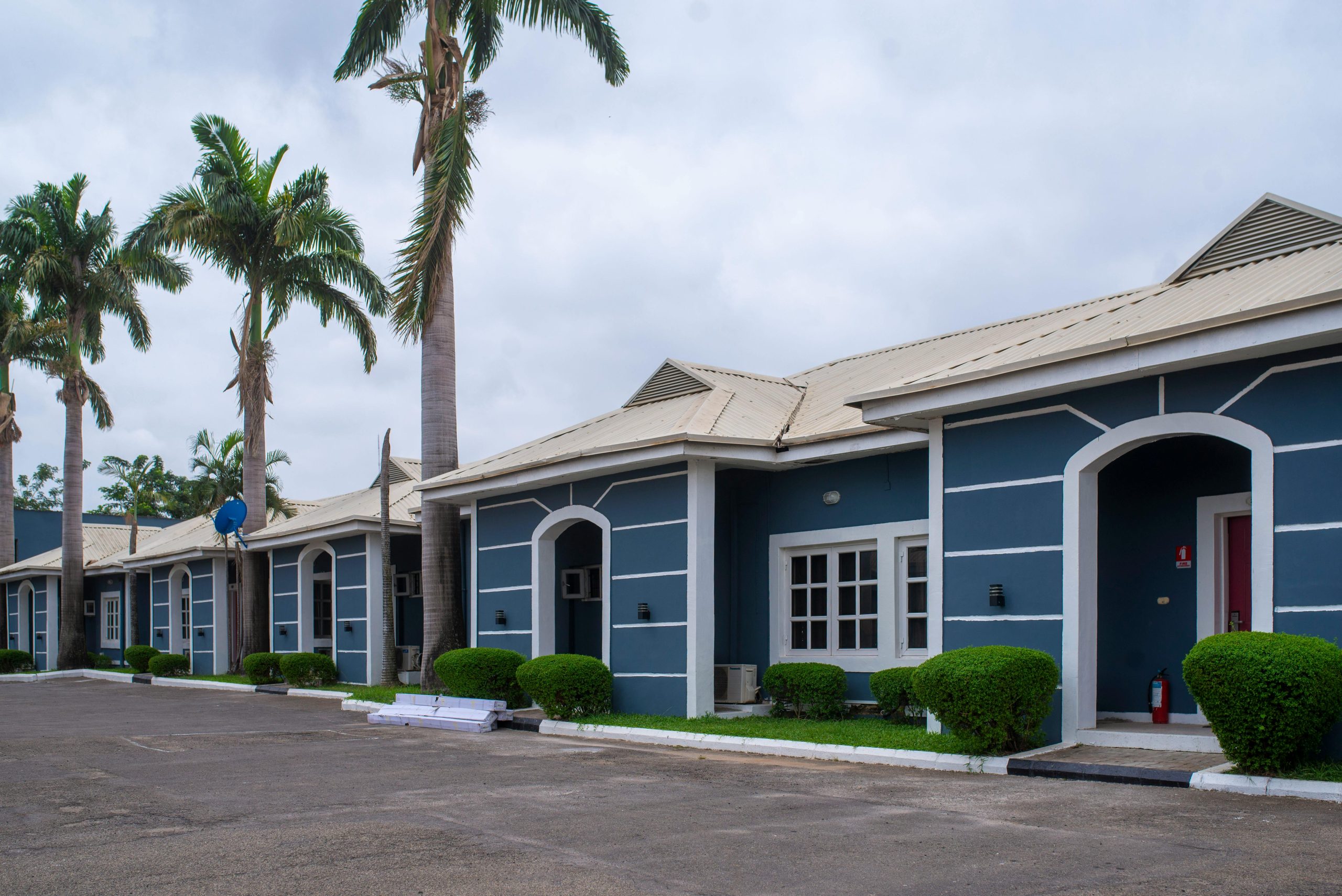
New Housing Projects in Abuja: Complete Guide to 2025-2027 Developments
Abuja’s skyline isn’t just changing; it’s multiplying. The capital city is on the cusp of a monumental transformation, with a wave of new construction to redefine urban living. Fueled by fresh government policies and a surging demand for quality housing, these developments promise to cater to every market segment. This guide breaks down everything you need to know about Abuja’s upcoming housing development projects.
Major Development Zones
The city’s growth is strategically planned across two primary zones: the coveted central districts and the rapidly expanding suburban frontiers. Each area offers a distinct lifestyle and investment potential, targeting different demographics and budgets.
Central District Projects
Prime real estate in Abuja’s heart is getting a serious upgrade. The Apo-Guzape project focuses on high-density, mixed-use development that blends residential comfort with commercial convenience. It’s one of the key projects highlighted by the Federal Housing Authority.
Another notable venture is the FHA/ENL Partnership Estate in Apo, which exemplifies public-private collaboration. These central projects increasingly incorporate smart city integration plans to create seamless, tech-driven living environments right in the city’s core, learning from ambitious but stalled projects like Centenary City.
Suburban Expansion Projects
For those seeking more space and affordability, the city’s outskirts are exploding with activity. The Zuba Mass Housing Initiative is a cornerstone of this expansion, designed to provide numerous affordable units and ease the city’s housing deficit. It’s a practical move to decongest the central areas.
Similarly, the Kwali Housing Development and the broader “New Town” Development Program are creating entirely new communities from the ground up. These areas are set to become self-sufficient towns with their own infrastructure, offering a fresh start for many families and a smart bet for forward-thinking investors.
Project Categories and Classifications
The new projects cover the entire spectrum, from opulent mansions to essential social housing. Understanding these categories helps you pinpoint exactly where you fit in the market.
Luxury Housing Developments
If your taste leans toward the extravagant, you’re in luck. The market responds with several four-bedroom duplex projects set within premium gated communities. These aren’t just houses; they’re statements.
You can expect high-end amenities and features like private gyms, concierge services, and landscaped gardens. These developments cater to a discerning clientele prioritizing privacy, security, and prestige.
Middle-Income Housing Schemes
The real sweet spot for most buyers is the middle-income bracket. Developments here often feature sensible three-bedroom apartment complexes that balance space, quality, and cost. They are the workhorses of the real estate market.
Crucially, these schemes often come with affordable payment plans and thoughtful community features like playgrounds and shared green spaces. They’re designed for actual living, not just showcasing, making them popular for growing families and professionals.
Mass Housing Initiatives
Tackling the housing deficit head-on, government-backed projects are crucial. These mass housing initiatives often operate through public-private partnerships, combining public oversight with private sector efficiency.
A key component of these projects is their social housing elements, aimed at providing decent and affordable shelter for lower-income earners. This category is less about luxury and more about fulfilling a fundamental need, contributing significantly to social stability.
Infrastructure and Amenities
A house is only as good as its surroundings. The new developments raise the bar by directly integrating modern infrastructure and community amenities into their blueprints.
Smart City Features
The buzzword is “smart.” It’s more than just marketing. Technology integration is a standard goal, with plans for a high-speed internet backbone, smart metering for utilities, and automated security systems. It’s about making daily life effortless.
Sustainable design elements are also a major focus. Developers are incorporating solar power, rainwater harvesting, and energy-efficient building materials. These modern utilities aren’t just good for the planet; they reduce long-term living costs for residents.
Community Facilities
Nobody wants to live in a dormitory town. That’s why the best new developments are building complete communities. This means allocating land and resources for essential educational institutions and healthcare centers within the estate or its immediate vicinity.
Recreational spaces are also prioritized. Think parks, sports courts, and community centers. These facilities transform a collection of buildings into a neighborhood where people want to put down roots and build a life.
Investment and Financing
Getting your foot in the door is the biggest hurdle. Thankfully, the financing options for these new projects are more diverse and accessible than ever.
Payment Options
You don’t need a briefcase of cash upfront. Most developers offer flexible payment options. Standard mortgage plans from banks are available, but many find developer financing more straightforward, often requiring a lower initial deposit and spreading the rest over the construction period.
For eligible applicants, government schemes through agencies like the FHA provide another avenue for support. It’s worth investigating all these routes to find the one that best suits your financial situation.
Return on Investment
Let’s talk numbers. Abuja’s real estate market is recovering well; these new projects are at the forefront. Market value projections are optimistic, with expected appreciation driven by the city’s continued growth and the quality of these new developments.
The rental yield potential is particularly strong in areas near the city center or major infrastructure nodes. For investors, this means healthy monthly income alongside steady capital appreciation. It’s a dual-threat investment that’s hard to ignore.
Timeline and Implementation
Knowing what’s coming and when is key to planning your move or investment. The rollout is phased, with projects launching progressively through 2027.
2025 Projects
The immediate future is packed. Several projects have scheduled launches in early 2025, with construction phases already underway for many. These are the ventures you can physically see taking shape right now.
Targeted completion dates for this first wave are mostly set for late 2025 or early 2026. This includes ongoing schemes like the Abesan Medium Income Housing project, which is already in progress.
2026-2027 Pipeline
The momentum isn’t stopping. The pipeline for 2026-2027 is filled with upcoming developments currently in the planning and design stages. This phase includes future expansions of existing projects and entirely new concepts.
This long-term planning indicates a sustained commitment to solving Abuja’s housing needs. It shows this isn’t a fleeting boom but a structured, multi-year growth strategy that promises to keep the market dynamic.
How to Get Involved?
Ready to claim your slice of the capital? The process can seem daunting, but it’s fairly straightforward once you know the steps.
Application Process
First, check the eligibility criteria for your desired project. These can vary, especially for government-backed initiatives, with income caps or other requirements. Make sure you qualify before you get your hopes up.
Gather your required documentation early—things like proof of income, identification, and a means of payment for the application fee. The selection process can be competitive, especially for prime units, so having your paperwork in order gives you a head start.
Contact Information
Your first point of contact is the developer details listed on the project’s official marketing materials. For larger government-led schemes, contacting relevant government agencies like the Federal Housing Authority (FHA) is your best bet.
Most projects also operate dedicated help desks for inquiries. Please don’t be shy about calling or emailing with questions; it’s their job to help potential buyers and investors navigate the process.
Summary
Abuja’s housing market landscape is shifting dramatically, offering unprecedented opportunities for homeowners and investors alike. From luxurious central apartments to affordable suburban homes, the next few years will see a project for almost every need and budget.
The key is researching, understanding the timelines, and moving decisively when you find the right fit. The city of tomorrow is being built today—make sure you have a place in it. Check the official FHA website for the most current information and take that first step.
Frequently Asked Questions
What is the most affordable type of new housing project in Abuja?
The most budget-friendly options are undoubtedly the mass housing initiatives. These government-backed projects, like the Zuba and Kwali developments, are specifically designed with affordability in mind, often featuring smaller units and flexible payment terms tailored for low and middle-income earners.
Are these new Abuja housing projects open to foreign investors?
Yes, generally they are. Nigeria’s real estate market is open to foreign investment. However, the specific rules can vary between developers and the type of title offered. It’s crucial to consult with a local real estate attorney to navigate the legalities and ensure a smooth transaction process.
How can I verify the legitimacy of a new housing development?
Always check for official project approvals from relevant government bodies like the Federal Housing Authority (FHA) or the Abuja Metropolitan Management Council (AMMC). A legitimate developer will have these documents readily available. Avoid any project that cannot provide proof of government approval and proper land title documentation.
What is the typical down payment for these new developments?
It varies widely based on the project and the financing option. For private developer financing, initial deposits can range from 10% to 30% of the total property value. Government schemes offer lower entry points. You must get the specific figures directly from the sales team for any project you’re considering.
Which area has the highest projected property value appreciation?
Central district projects, particularly those in areas like Apo-Guzape that integrate smart city features, are predicted to see the highest capital appreciation. Their prime location, limited land availability, and high-end amenities make them highly desirable for homeowners and investors, driving up values over time.
Do any projects offer finished units, or are they all off-plan?
Most of these new housing development projects in Abuja are sold off-plan, meaning you purchase based on the blueprint during construction. This is how developers fund the building. However, some projects may have show houses or completed phases you can physically inspect before buying into a later phase.