


Spellbreak: Elemental Warfare Redefines Battle Royale
Spellbreak throws fireballs at traditional shooter conventions. This magic-centric battle royale replaces bullets with ice shards, toxic clouds, and tornadoes you can electrify mid-flight. Proletariat’s 2020 release offers a refreshing, high-skill alternative to the genre’s gunplay obsession.
Gauntlets, Sorcery, and Spell Synergy
Players choose two elemental Gauntlets (fire, ice, lightning, earth, wind, toxic) defining their combat style. Each element has primary attacks, secondary abilities, and passive traits changing movement or defense. The real magic happens when spells collide: ignite toxic clouds into explosions, freeze electrified puddles, or ride self-created tornadoes.
The class system (Pyromancer, Frostborn, etc.) offers progression through 24 talent levels. Perks like faster mana regeneration or temporary invisibility after teleporting allow deep build customization. Verticality matters: floating runes enable extended aerial combat, rewarding precise positioning.
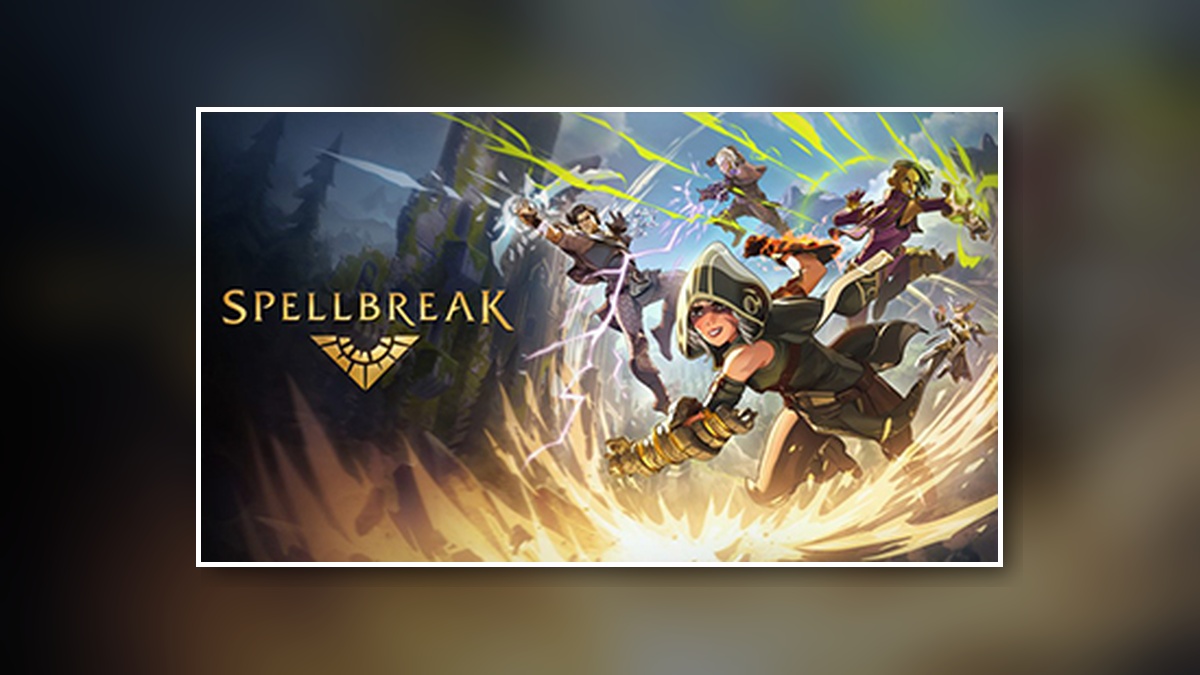
Stylized Mayhem Visuals & Combat Acoustics
Spellbreak’s comic-book aesthetic maximizes spell visibility. Crimson firestorms contrast against turquoise ice walls, while lightning strikes illuminate fog-covered forests. The Hollow Lands map blends crumbling castles with floating islands and amber deserts, though environmental variety feels limited compared to rivals.
Audio design shines during chaotic 42-player battles. Each element has distinct casting sounds: earth attacks rumble, wind gauntlets whoosh, and chain lightning crackles. Enemy spell cues provide crucial tactical intel, though visual clutter sometimes overwhelms during final-circle clashes.
Optimized Performance With Cross-Play Strength
Spellbreak runs smoothly on mid-range PCs, maintaining 60+ FPS during intense combat at 1080p. The Unreal Engine 4 foundation delivers stable performance, though texture pop-in occasionally occurs when landing hot zones. Full cross-play support between PC, PlayStation, Xbox, and Switch ensures healthy matchmaking pools.
Controller support feels surprisingly precise for projectile-based combat. Customizable key bindings and sensitivity sliders accommodate different playstyles. New players benefit from bot-filled early matches before facing human opponents.
System Requirements For Spellbreak
| Component | Minimum Specs |
|---|---|
| OS | 64-bit Windows 10 |
| Processor | Intel Core i5-6400 @ 2.70GHz (4 CPUs) |
| Memory | 8 GB RAM |
| Graphics | NVIDIA GeForce GT 640 / Radeon R7 |
| Storage | ? (Install size approx. 15GB) |
The Verdict: Is Spellbreak Worth Casting?
Spellbreak excels where magic systems meet mechanical depth. The spell-combo system offers unparalleled creativity: trapping enemies in toxic-fire whirlwinds never gets old. Movement mechanics like featherfall jumps and wind-powered flight create exhilarating chase sequences.
However, the game struggles with content pacing. Only one map exists since launch, and new Gauntlet types haven’t expanded the elemental roster. Matchmaking times fluctuate outside peak hours despite cross-play. The $60 Chapter System battle passes feel overpriced compared to competitors.
Final Score: 80/100 – Magic That Needs More Sparks
Spellbreak is a triumphant proof-of-concept for magic-based battle royales. No other game delivers such satisfying elemental interactions. But Proletariat’s slow content updates and monetization missteps prevent true greatness. Worth playing for its unique combat, but temper expectations for long-term engagement.
