


Three Kingdoms Strategy Without the Grind
Infinite Borders drops you into 190 AD China with one directive: conquer. NetEase’s free-to-play take on the Three Kingdoms period strips away tedious city management in favor of rapid territory wars. Your first hour involves capturing resource nodes while AI warlords aggressively expand their borders.
A Chessboard of War and Alliances
The core loop revolves around hex-based territorial control. Each grassland, mountain, or river hex provides specific advantages.
Farmland boosts troop regeneration. Strategic passes enable ambushes. Resources aren’t mined, they’re captured through real-time skirmishes.
Combat uses a rock-paper-scissors unit system with twist. Spearmen beat cavalry, archers shred infantry, but terrain modifiers drastically alter outcomes.
Sending cavalry through forests nullifies their speed advantage. Night battles reduce archer range by 40%.
Alliances function as persistent guilds with shared progression. Members collectively upgrade alliance tech trees that provide province-wide buffs.
The catch: territory control resets every 90 days through seasonal server wipes, preventing permanent snowballing.
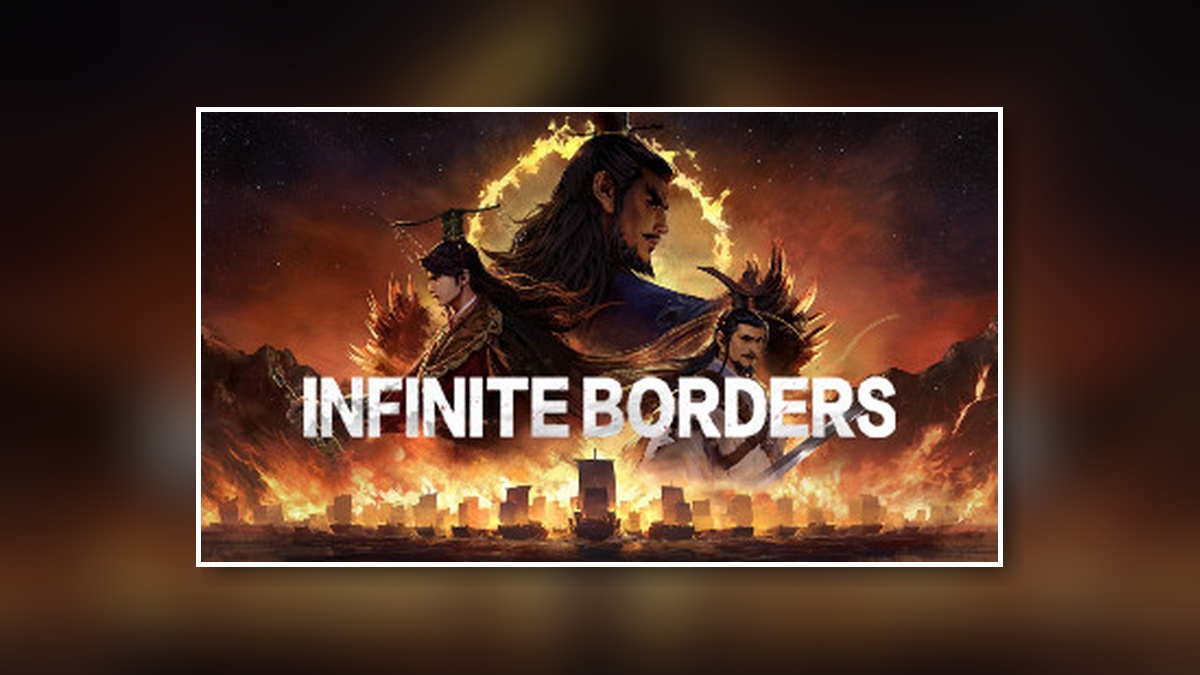
Painting the Three Kingdoms in Polygons
Visuals blend angular low-poly landscapes with intricate UI elements inspired by Han dynasty artifacts.
Battle animations resemble moving brush paintings when zoomed out, shifting to detailed unit models during close-ups. The art direction cleverly masks hardware limitations.
Performance shines on modest rigs. The Intel HD Graphics 4600 requirement holds true during 1v1 skirmishes, but large 300+ unit battles cause noticeable frame dips. Sound design mixes traditional instruments like guzheng strings with subtle war drums that intensify during conflict.
Performance & Accessibility Breakdown
Controls prioritize mouse navigation. Keyboard shortcuts exist but aren’t mandatory. Text scaling options accommodate 1080p displays, though 4K users report tiny alliance chat fonts.
The monetization model focuses on cosmetic warlord skins and faster resource regeneration, avoiding pay-to-win troop purchases.
New players get 7 days of protection from veteran attacks. The tutorial adequately explains base mechanics but omits advanced tactics like baiting enemies into ambush hexes. Alliance mentors can dramatically shorten the learning curve.
System Requirements For Infinite Borders
| Component | Minimum Specs |
|---|---|
| OS | Windows 10 |
| Processor | Intel Core i5-4590 |
| Memory | 8 GB RAM |
| Graphics | Intel HD Graphics 4600 |
| Storage | 10 GB available space |
The Verdict: Is Infinite Borders Good?
Yes, with caveats. The seasonal reset system eliminates late-joiner disadvantage, a smart fix for persistent world strategy games. Combat depth surprises with layered mechanics, though alliance dependence may deter lone wolves.
Monetization stays fair. Paid boosts reduce upgrade timers but don’t guarantee victory. A $15 monthly pass provides cosmetic effects and +10% resource gain, hardly game-breaking advantages. True power comes from coordinated alliance tactics.
Final Score & Thoughts
7.5/10. Infinite Borders succeeds as a streamlined Three Kingdoms strategy game. It sacrifices historical accuracy for approachable warfare, offering constant conflict without overwhelming complexity.
Performance hiccups in massive battles and mandatory social play dock points, but the core loop delivers tense territorial struggles.
Best for players seeking quick 20-minute conquest sessions rather than multi-hour campaigns. The seasonal model provides natural stopping points, making it ideal for busy strategists. Just don’t expect Crusader Kings-level political intrigue beneath the warfare.
Best Deals & Where to Buy
| Platform | Price |
|---|---|
| Official Site | Free (+ optional microtransactions) |
| Steam | Free (launches Q4 2024) |
