


Fortnite: The Digital Playground Where Strategy Meets Chaos
One hundred players drop onto an island. Only one leaves. Fortnite’s Battle Royale formula demands quick thinking, precise aiming, and architectural creativity in equal measure. This free-to-play phenomenon reshaped multiplayer gaming through relentless reinvention.
The Building-Shooting Hybrid That Defines Modern Combat
Fortnite’s genius lies in merging third-person shooting with real-time construction. Wooden walls erupt during firefights. Towers materialize in seconds. This verticality creates unparalleled tactical freedom compared to traditional shooters.
The constantly evolving loot pool keeps matches unpredictable. Mythic weapons, alien tech, and reality-bending items frequently rotate. You’ll master shotguns one season, lightsabers the next.
Epic’s 60-100 day seasonal model delivers radical map changes. Volcanoes erupt. Oceans flood cities. Reality collapses. This live-service approach eliminates staleness through environmental storytelling.
Colorful Mayhem: Fortnite’s Visual and Sonic Identity
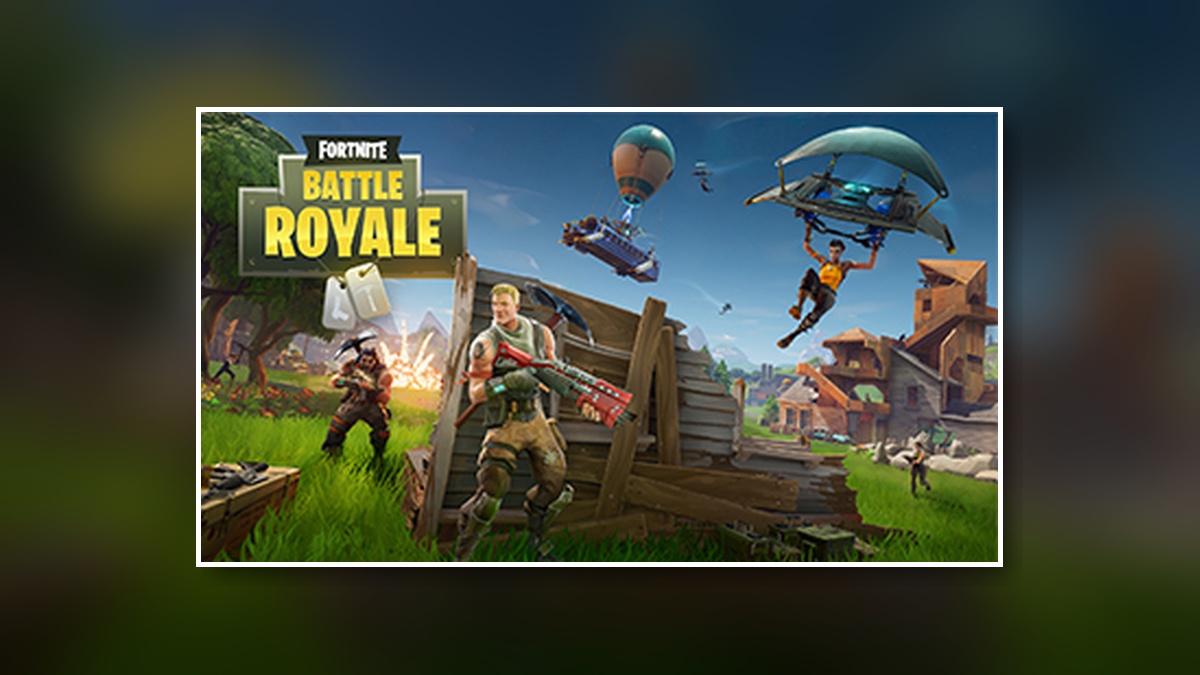
Fortnite’s cartoonish art style achieves broad hardware compatibility while maintaining visual clarity. Vibrant colors make enemies visible against complex landscapes. Emotes explode with personality through exaggerated animations.
Directional audio provides crucial combat intelligence. Footsteps differentiate materials: grass crunches, metal clangs. The iconic Battle Bus music triggers Pavlovian excitement in veterans.
Crossovers redefine visual absurdity. Master Chief battles Geralt of Rivia while Spider-Man webs away from Darth Vader’s lightsaber. This controlled chaos somehow works.
Performance That Pushes Boundaries, Access That Welcomes All
Fortnite’s Performance Mode enables play on decade-old hardware. Competitive players favor frame rates over fidelity, often running at 240 FPS. The game scales remarkably from gaming rigs to school laptops.
Epic’s cross-progression system syncs progress across consoles, PC, and mobile. Play anywhere accessibility sets industry standards. Controller, mouse, and touch controls receive constant optimization.
The free model eliminates pay-to-win concerns. V-Bucks purchases fund purely cosmetic items. Weekly challenges and Battle Pass rewards create constant progression hooks without mandatory spending.
System Requirements For Fortnite
| Component | Minimum Spec |
|---|---|
| OS | Windows 7 or later |
| Processor | Intel HD 4000 / Core i3 2.4 GHz |
| Memory | 4 GB RAM |
| Graphics | Integrated or dedicated GPU |
The Verdict: Is Fortnite Still Worth Playing in 2024?
Six years post-launch, Fortnite remains relevant through sheer creative momentum. No game delivers equivalent cultural collision. Where else can Wolverine attack Naruto during a virtual concert?
The skill ceiling creates frustration for newcomers. Expert builders erect fortresses in milliseconds. However, Zero Build mode offers pure shooter thrills without construction demands.
Epic’s legal battles with Apple/Google proved problematic for mobile users. PC players face no such restrictions through direct Epic Games Store access.
Final Score: 8.5/10 – The Evolving Benchmark
Fortnite earns its status through technical excellence and pop-culture awareness. Constant updates justify repeated returns despite occasional feature bloat. The perfect “second game” you’ll accidentally make your main.
Pros: Free accessibility, unmatched live events, creative weapon rotations
Cons: Steep builder learning curve, FOMO-driven monetization
