
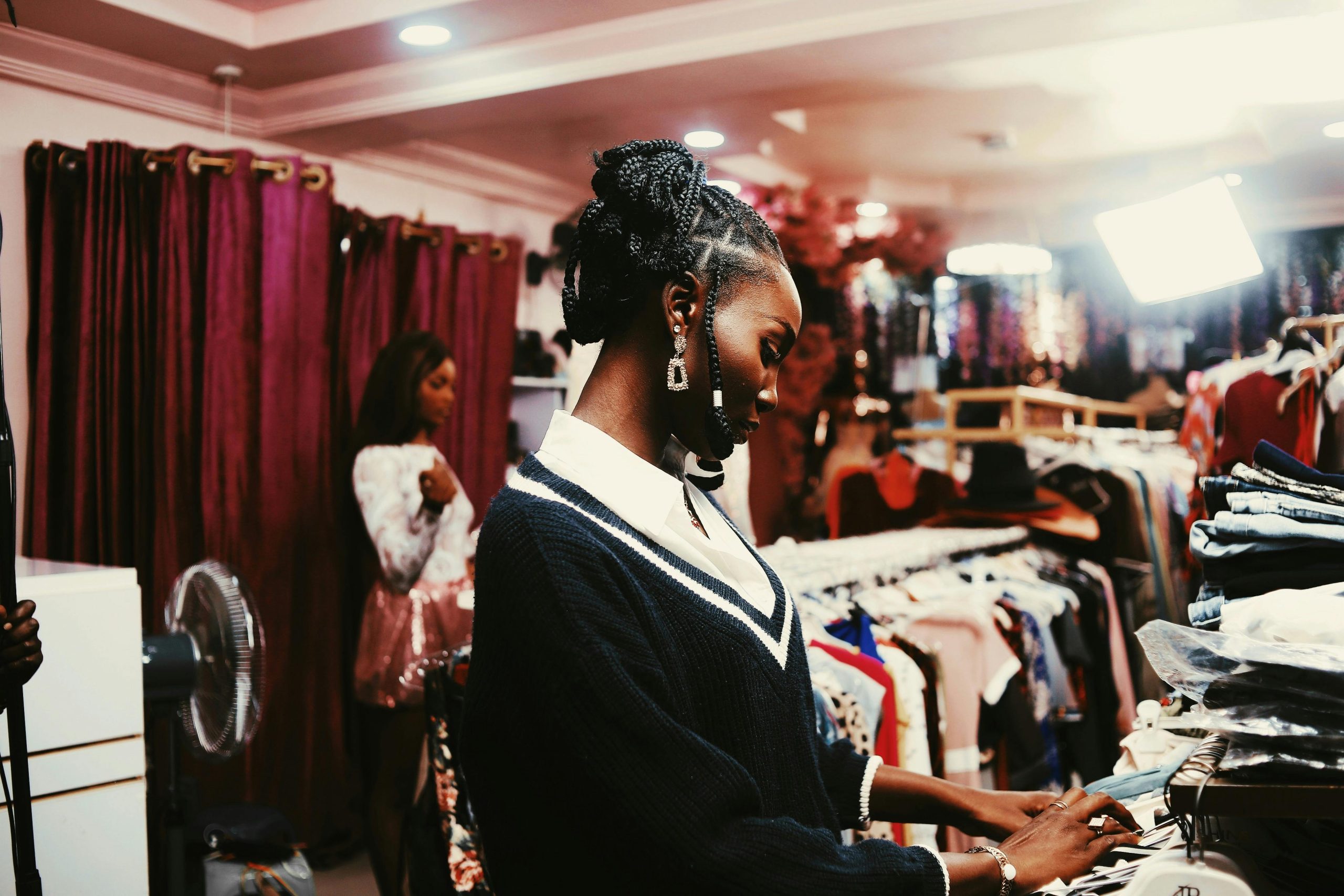
10 Best Shopping Places in Abuja: Ultimate Guide to Malls, Markets & Districts 2025
Abuja’s shopping scene is a vibrant tapestry of contrasts, where the hum of air-conditioned malls sits just a short drive from the energetic buzz of sprawling traditional markets. As Nigeria’s purpose-built capital, the city offers a retail experience that caters to every taste and budget.
You can find everything from international luxury labels to handcrafted local artifacts. Navigating shopping in Abuja: malls, markets, and business districts feel like a city-wide treasure hunt, and this guide is your map.
Modern Shopping Malls
1. Jabi Lake Mall
Strategically located in the Jabi district, this mall is incredibly accessible from most parts of the city. Ample parking and its position near the lake make it a hassle-free destination for a day out.
Inside, you’ll find a comprehensive mix of major retail stores like Shoprite and Game. When you need a break from spending, catch a movie at the cinema or let the kids run wild in the play area.
2. Ceddi Plaza
For a more refined, premium shopping experience, Ceddi Plaza in the Central Business District is a long-standing favorite. The atmosphere here is more serene and upscale than the larger, busier malls.
The plaza houses an excellent selection of fashion boutiques, electronics stores, and one of the city’s best-stocked bookshops. It’s the perfect spot to find a unique gift or update your professional wardrobe.
3. Dunes Center
If luxury is your language, Dunes Center speaks it fluently. This is where you come for high-end international brands and a shopping environment that feels a world away from the city’s hustle.
Beyond the retail therapy, Dunes offers superb fine dining options and a range of services that cater to a discerning clientele. It’s less about errands and more about an experience.
4. Grand Towers Abuja Mall
This mall covers all the shopping categories you could need under one roof. Its variety of popular stores, from fashion and beauty to home goods and electronics, makes it a reliable one-stop shop.
Customer services and facilities are top-notch, including clean restrooms and helpful security. It’s a practical, comfortable place to get your shopping done efficiently.
Traditional Markets
5. Wuse Market
As the largest traditional market in Abuja, Wuse Market is an institution. It’s a labyrinth of stalls offering various goods, from vibrant Ankara fabrics and leatherworks to fresh produce and electronics.
Navigating it can be intense. Go early in the morning to avoid the afternoon crowds and heat. Keep your wits about you, wear comfortable shoes, and be prepared to get lost—it’s part of the fun.
6. Garki Model Market
Located in the Garki area, this modernized market is more organized than its traditional counterparts but retains an authentic local vibe. It’s easily accessible and a great place to experience market culture with slightly less chaos.
Popular items include fresh food, spices, and household goods. Bargaining is not just common; it’s expected. Keep your belongings secure and know your surroundings to ensure a safe and enjoyable visit.
Shopping Districts
7. Wuse District
Wuse District is a microcosm of Abuja, blending popular markets with modern malls for a diverse experience. The area is a hub of activity, with something happening on every corner.
Beyond shopping, you’ll find plenty of entertainment options and a wide array of dining experiences, from street food to sit-down restaurants. It’s a district built for spending the entire day exploring.
8. Maitama District
Maitama is known as one of Abuja’s most affluent neighborhoods, and its shopping options reflect that. Expect upscale boutiques and specialty stores tucked away in plush surroundings.
The shopping atmosphere here is relaxed and exclusive, targeting an audience that prefers quality and uniqueness over mass-market convenience. It’s the place to find that one-of-a-kind item.
Specialty Shopping Destinations
9. Six_25 Butik & Beauty
This boutique is a gem for those seeking curated fashion offerings and high-end beauty products. The selection feels personal and carefully chosen, a welcome change from generic chain stores.
The customer experience is paramount here, with attentive service and a calm environment. You might even find yourself sipping a complimentary drink while you browse.
10. Pinkdaisy Kids
Shopping for children can be a chore, but Pinkdaisy Kids makes it a delight. This store specializes in everything for kids, offering a range of quality local and international brands.
Special features include adorable outfits and unique toys. The staff are patient and helpful, making it a truly family-friendly amenity in the city’s retail landscape.
Shopping Tips and Recommendations
Practical Information
Plan your trips for weekdays or Saturday mornings to avoid the worst crowds. While ride-hailing apps are prevalent, having a car or a dedicated driver makes navigating between districts much easier.
Most malls accept cards, but cash is king in the markets. Always prioritize your safety—be discreet with valuables and avoid isolated areas after dark.
Shopping Experience
Bargaining is a core part of the market culture. Start by offering about half the initial price and negotiate with a smile; it’s a social interaction, not a confrontation.
Patience is a virtue. Customer service can vary wildly, from incredibly helpful to completely hands-off. Embrace the chaos and you’ll have a much better time.
Summary
Abuja truly offers a shopping spectrum, seamlessly blending the hyper-modern with the deeply traditional. Whether your style is haggling for spices in a bustling market or browsing luxury boutiques in a chilled mall, the city delivers. Each district and destination has its own personality, waiting for you to explore it.
FAQs: Shopping in Abuja
What is the best mall to visit in Abuja?
Jabi Lake Mall often tops the list for its size, variety of stores, and additional entertainment options like a cinema and food court. It provides a complete day-out experience.
Are the markets in Abuja safe for tourists?
Major markets like Wuse and Garki Model Market are generally safe for tourists, especially during busy daytime hours. Standard precautions apply: stay aware, don’t flash expensive items, and consider going with a local guide if you’re uneasy.
Can I use credit cards in Abuja’s markets?
No, you absolutely cannot. Traditional markets operate almost exclusively on cash transactions, specifically Nigerian Naira. ATMs are available outside major markets, but it’s best to arrive with sufficient cash in smaller denominations.
What unique items can I buy in Abuja?
Look for beautifully tailored African print clothing (Ankara), handcrafted leather goods, traditional beads, and local art. These items make for fantastic souvenirs and support local artisans.